Latest News
Pickup New Updates

Thinking of spending ₹1.5–2 Cr on an NRI MBBS seat in India? Discover why MBBS abroad is a smarter, affordable alternative for NEET-qualified and NRI students — with global exposure, NMC-approved universities, and total fees under ₹45L.

- 09-Jul-2025

Planning to pursue MBBS abroad in 2025? Use this country-wise NMC compliance chart to understand which countries meet the latest NMC guidelines for Indian students. Compare eligibility, course structure, language of instruction, internship requirements, and licensing status to make a safe and valid choice for your medical career.
- 08-Jul-2025
Study MBBS Abroad – Affordable & Globally Recognized Options for Indian Students Looking to pursue MBBS Abroad? Explore top medical universities in countries like Tajikistan, Russia, Georgia, Kazakhstan, Kyrgyzstan, Uzbekistan, Nepal, Bangladesh, and more — all offering NMC-approved programs in English at affordable fees starting from ₹16 lakhs.
- 08-Jul-2025

The MBBS program in Tajikistan spans 5 years in total, comprising 4 years of academic study followed by a 1-year internship. Students also have the opportunity to gain practical experience by training at some of the country`s leading hospitals.
- 07-Jun-2025

In Kyrgyzstan, the total cost of pursuing an MBBS degree is approximately ₹15–20 lakhs, which includes hostel and mess fees. The country is also relatively close to India, with a flight time of just 3–4 hours, making it convenient for students to visit their families during summer holidays.
- 05-Jun-2025

The National Dental Commission Bill of 2023 seeks to modernize the Dentists Act of 1948 by reflecting the significant advancements in dental education over the decades. The primary objective of this new legislation is to reform and rejuvenate the dental profession in India through the repeal of the 1948 Act and the dissolution of the Dental Council of India. The original Act served as a comprehensive regulatory framework for dental education, professional standards, and ethical conduct. It granted government authorities the power to approve the establishment of dental colleges, expand higher education opportunities in dentistry, and increase student intake capacities.
- 30-May-2025

Pharm D stands for Doctor of Pharmacy. Admission to the Pharm D program in 2025 is primarily based on entrance exams, though some universities also accept Class 12 scores for selection. To secure admission, candidates must achieve qualifying marks in the respective entrance tests. To be eligible for Pharm D admission in India, applicants must have completed Class 12 with a Science background, specifically in Physics, Chemistry, and Biology/Mathematics (PCB/M).
- 28-May-2025
Any Indian citizen or Overseas Citizen of India (OCI) who holds a primary medical qualification from a medical institution located outside India and wishes to obtain provisional or permanent registration with the National Medical Commission (NMC) or any State Medical Council after March 15, 2002, must qualify a screening test conducted by the designated authority.
- 27-May-2025

Bachelor of Dental Surgery (BDS) admission for the academic year 2025 is witnessing high competition due to the increasing awareness of oral health and the growing demand for skilled dental professionals. Securing a seat in a reputable BDS program is a major milestone for students aspiring to become dentists. Admission to BDS programs in 2025 is primarily based on the NEET (National Eligibility cum Entrance Test). Interested candidates are encouraged to regularly check the official websites of NEET, MCC (Medical Counseling Committee), and respective state-level authorities for updates and notifications related to the admission process.
- 24-May-2025

The use of the title “Dr.” by Bachelor of Dental Surgery (BDS) graduates in India is a debated issue. While the Indian Medical Council Act, 1956, restricts the title to those with recognized medical degrees, the Dental Council of India (DCI) allows registered dentists to use it. Supporters argue that BDS graduates receive extensive training and deserve the recognition, while critics fear it may confuse patients and blur lines between medical and dental professions. Ultimately, the title`s use must prioritize patient safety, uphold professional integrity, and follow legal and regulatory guidelines set by the DCI.
- 21-May-2025

Choosing the right dental college can feel overwhelming, especially when you`re trying to stay within a budget. After researching several options, you may still be unsure which college is the best fit for you. Don’t worry — we`re here to guide you through the essential factors to consider when making this important decision.
- 13-May-2025

To get admission into a BDS program in India, the first step is to qualify for the National Eligibility cum Entrance Test (NEET-UG). This is the only national-level entrance exam for dental courses, conducted annually by the National Testing Agency (NTA). Once you qualify the entrance exam, you must take part in the NEET-UG counseling process for undergraduate medical courses to begin your BDS admission.
- 13-May-2025
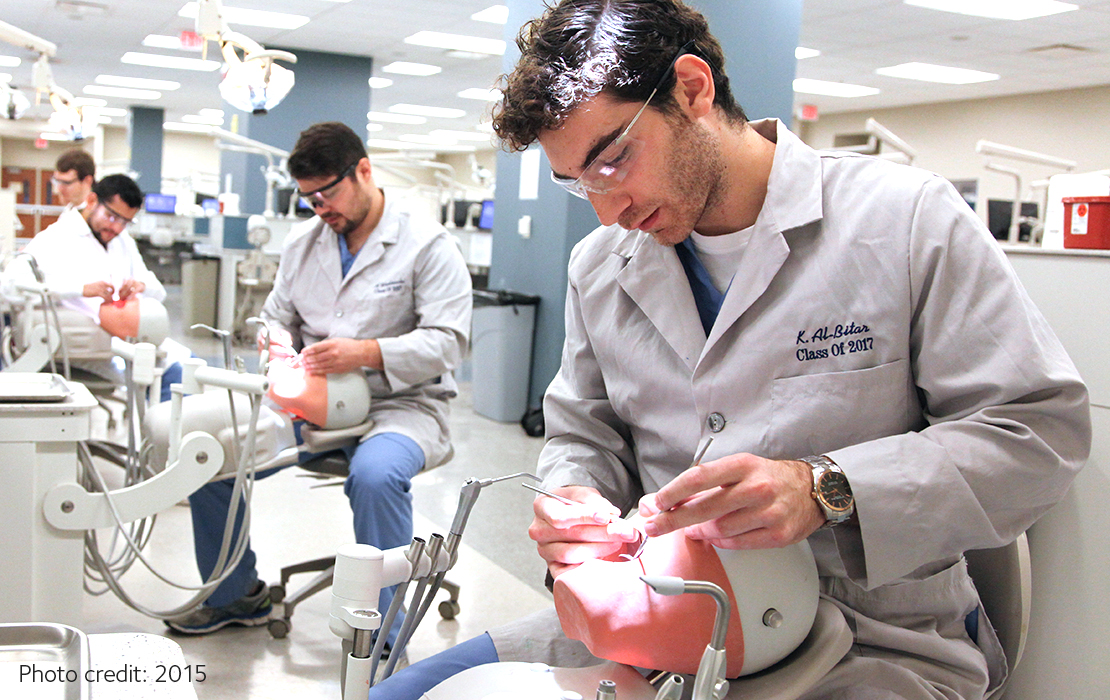
Dental education in India has evolved significantly over the last few decades, and government dental colleges remain among the most sought-after institutions. They are known for their affordable fees, extensive clinical exposure, and strong faculty—all while offering a competitive academic environment. This article takes a closer look at the best government dental colleges in India, based on NIRF 2024 rankings, reputation, infrastructure, and academic performance. So, that you can choose better dental college 2025.
- 09-May-2025

Pursuing dental education is not just about earning a degree—it’s about becoming a skilled, confident, and competent healthcare professional. Here’s how studying at a top dental college elevates every aspect of your career and personal growth:
- 09-May-2025
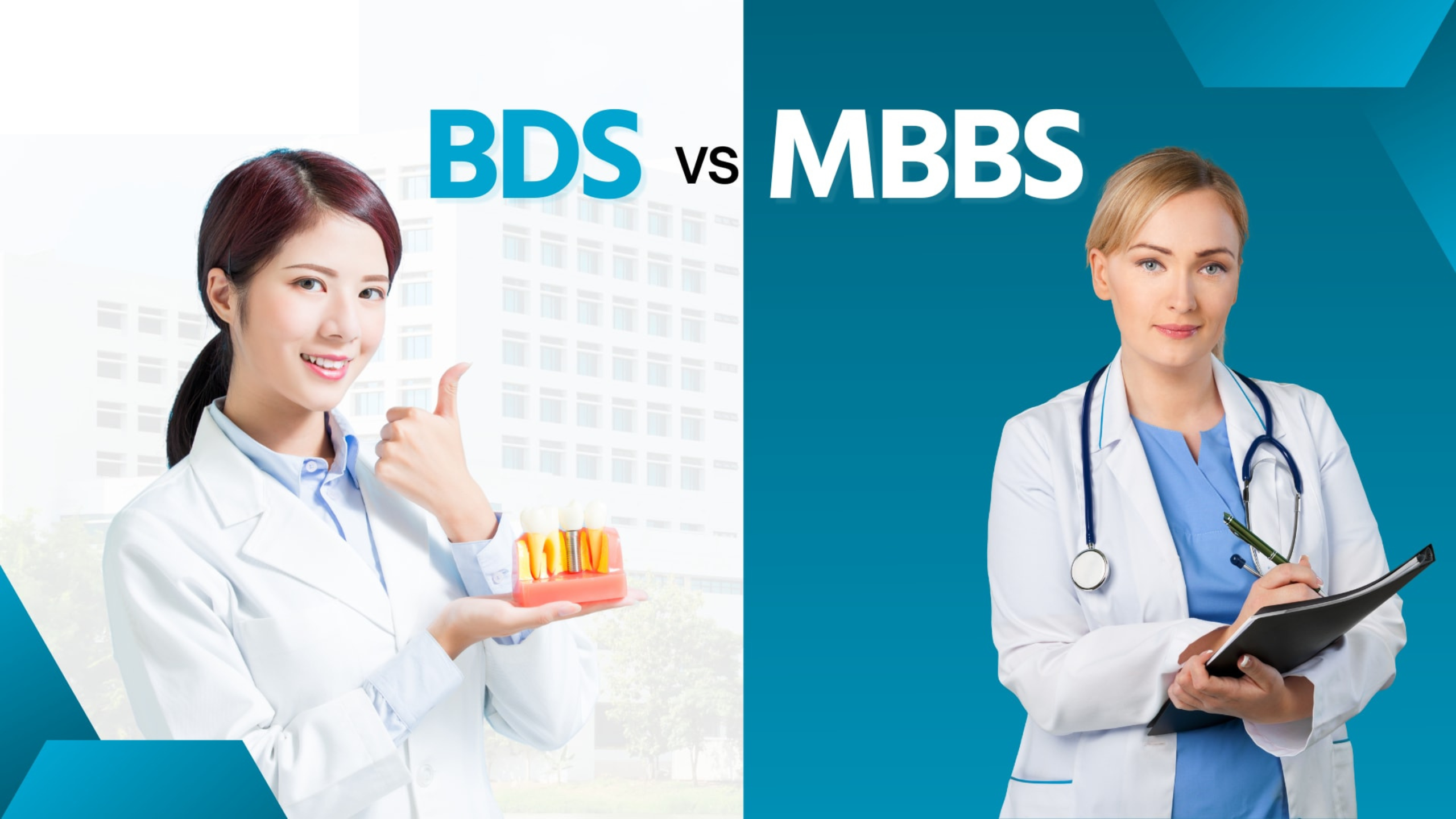
MBBS and BDS are both respected medical courses pursued after Class 12 with PCB. MBBS trains students in general medicine, while BDS focuses on dental care. Admission to both is through NEET. Career opportunities and salaries vary, with each field offering unique advantages based on personal interest and specialization.
- 08-May-2025